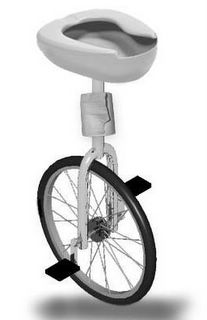
Actual North
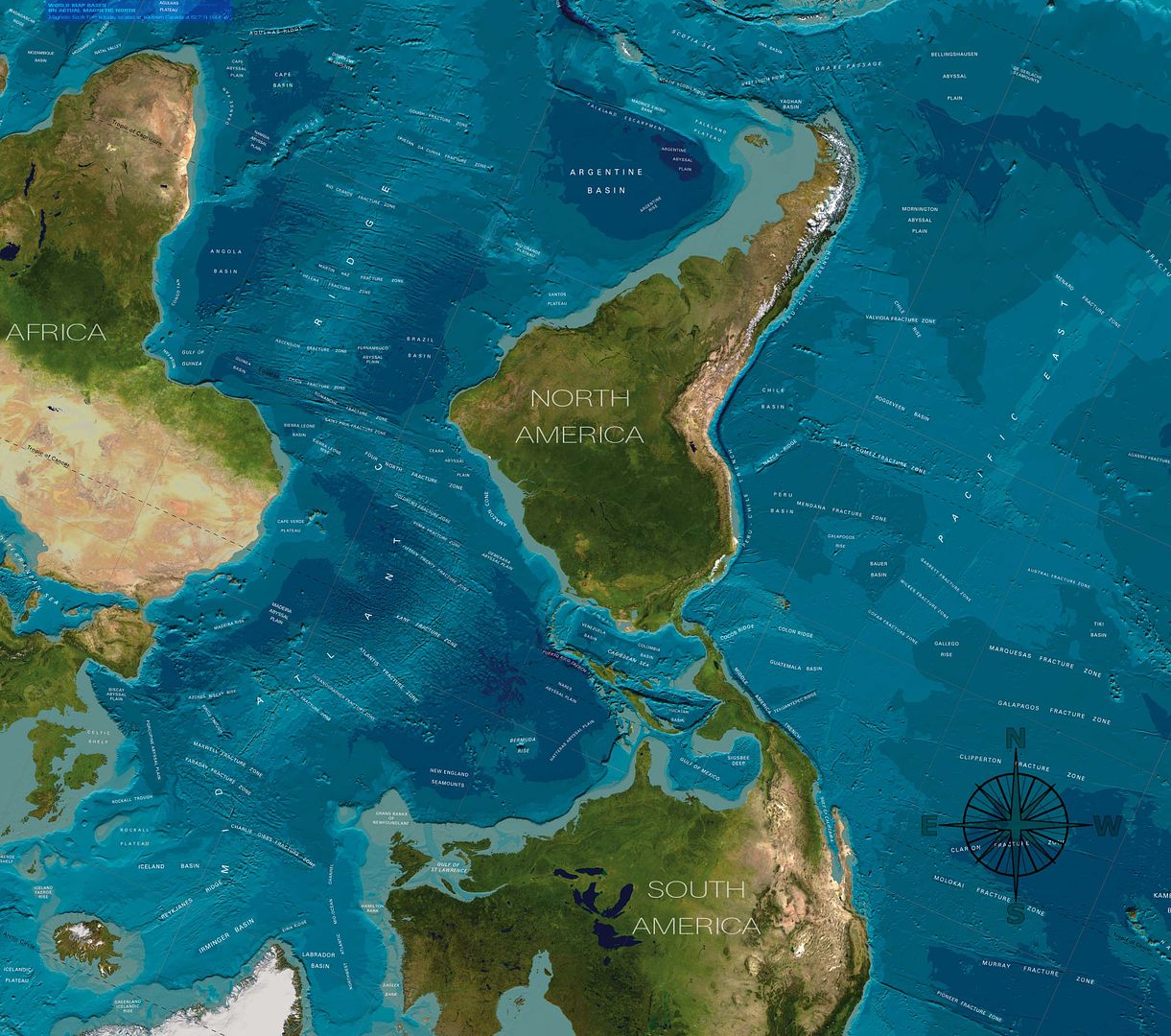
based on the early use of magnets in compasses they were named the "north pole" and the "south pole", with the north pole being the pole that pointed north. When it was later understood that opposite poles attract, a terminological dilemma arose: the Earth's North Magnetic Pole and the pole of the magnet that was attracted to it could not have the same polarity. By convention, the "north pole" of a magnet remained defined as the one attracted to the Earth's North Magnetic Pole, and by this definition the Earth's North Magnetic Pole is physically a magnetic south pole. Conversely, the Earth's South Magnetic Pole is physically a magnetic north pole.

A Han Dynasty (206 BC – 220 AD)
ladle-and-basin lodestone south-pointing compass.
ladle-and-basin lodestone south-pointing compass.
The earliest reference to a specific magnetic direction finder device is recorded in a Song Dynasty book dated to 1040-44. Here we find a description of an iron "south-pointing fish" floating in a bowl of water, aligning itself to the south. The device is recommended as a means of orientation "in the obscurity of the night."
Geomagnetic reversal is a change in the orientation of Earth's magnetic field such that the positions of magnetic north and magnetic south become interchanged. These events, which are believed to last a few hundred to a few thousand years, often involve an extended decline in field strength followed by a rapid recovery after the new orientation has been established. Today the actual magnetic South is located at in northern Canada at 82.7° N 114.4° W.
...
Labels: North Pole, South Pole